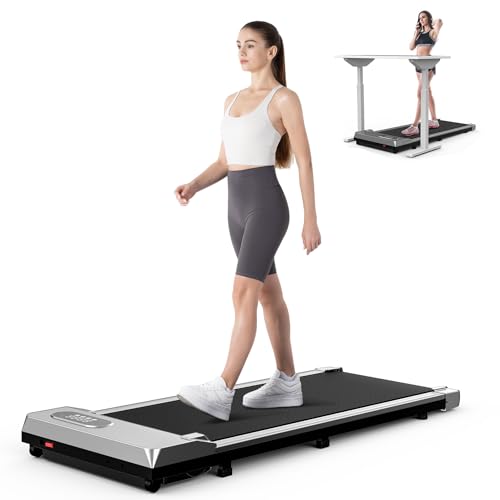
The Treadmill: A Comprehensive Guide to Understanding and Utilizing This Fitness Machine
Treadmills are a staple in gyms and homes alike, acting as an efficient tool for cardiovascular exercise. With their adaptability and variety of features, treadmills deal with users of all fitness levels. This article looks into the ins and outs of treadmills-- covering their advantages, types, use pointers, maintenance, and far more.
The Benefits of Using a Treadmill
Utilizing a treadmill can supply various health advantages, making it a popular option among physical fitness lovers. Below are some crucial benefits:
- Cardiovascular Health: Regular treadmill use can improve heart health by increasing aerobic capability and cardiovascular endurance.
- Weight Management: Treadmills enable users to burn calories efficiently, helping in weight loss or management.
- Convenience: With the capability to work out inside your home, treadmills get rid of ecological barriers, like weather condition and time restrictions.
- Adaptability: Users can control speed, incline, and workout duration, allowing them to customize their exercise routine to fit their requirements.
- Joint Impact: Many modern treadmills offer cushioning, which can lower the effect on joints compared to running on hard surface areas.
This extensive guide examines the different types of treadmills and what functions to consider when buying one.
Types of Treadmills
Picking the right type of treadmill depends on individual physical fitness objectives, budget plan, and readily available area. Here are the various ranges:
1. Handbook Treadmills
- Definition: These treadmills operate without motors; users power the belt through their motions.
- Benefits: Typically more affordable and energy-efficient.
- Drawbacks: Limited features and less stability compared to motorized alternatives.
2. Motorized Treadmills
- Definition: Equipped with motors to control belt speed and incline.
- Advantages: Versatile features like pre-programmed programs and digital display screens.
- Drawbacks: More expensive and need electric outlets.
3. Folding Treadmills
- Definition: Treadmills that can be collapsed to save space when not in use.
- Benefits: Ideal for those with limited space.
- Downsides: May not be as strong, depending on the design.
4. Industrial Treadmills
- Definition: High-quality, heavy-duty machines created for frequent usage in health clubs.
- Benefits: Built to hold up against strenuous workouts with features suited for varied training needs.
- Disadvantages: Generally more pricey and bigger.
5. Smart Treadmills
- Meaning: Treadmills equipped with clever innovation that tracks exercises and provides virtual training.
- Advantages: Interactive functions enhance the user experience.
- Drawbacks: Higher costs and possible for technical issues.
Features to Consider When Buying a Treadmill
When acquiring a treadmill, it's vital to evaluate its functions according to individual requirements and budget. Essential features consist of:
- Motor Power: Measured in horsepower (HP); a motor between 2.0-- 3.0 HP appropriates for most users.
- Running Surface: The belt size need to accommodate your stride. A surface area of a minimum of 20" x 55" is typically advised.
- Slope Options: Look for a treadmill offering various slope levels to replicate outside running and boost exercise strength.
- Weight Capacity: Ensure the treadmill can support the user's weight; most can accommodate weights between 250 pounds and 400 lbs.
- Cushioning: Good quality cushioning effects walking or running comfort and can help avoid injuries.
- Foldability: If area is a concern, think about a treadmill that can be folded.
- Innovation: Features like heart rate displays, workout programs, and Bluetooth connection can improve the user experience.
Table: Key Features and Considerations
| Function | Value |
|---|---|
| Motor Power | Important for consistent performance and user weight capability. |
| Running Surface | Effects user convenience and stride length; bigger surfaces are better for taller people. |
| Incline Options | Allows different workouts and targets different muscle groups. |
| Weight Capacity | Important for safety and toughness; select a design that supports your weight. |
| Cushioning | Lowers joint impact and makes exercises more comfortable. |
| Foldability | Essential for users with minimal space. |
| Innovation | Enhances exercise experience and can offer valuable tracking data. |
Tips for Effective Treadmill Workouts
To make the most of the benefits of using a treadmill, think about the following pointers:
- Warm-Up and Cool-Down: Always begin with a 5-10 minute warm-up and surface with a cool-down to prevent injury.
- Differ Your Workouts: Mix walking, jogging, and going to keep things intriguing and work different muscle groups.
- Include Incline: Use slope settings to challenge yourself and increase calorie burn.
- Stay Hydrated: Keep water neighboring to remain hydrated throughout your exercises.
- Listen to Your Body: Pay attention to any pain or tiredness; rest when necessary.
Treadmill Maintenance Tips
To ensure longevity and optimal efficiency of a treadmill, regular maintenance is essential. Secret upkeep practices include:
- Lubrication: Frequently lube the running belt for smoother operation.
- Cleaning: Wipe down the machine after each usage to avoid dust and sweat buildup.
- Tightening: Regularly check and tighten up loose bolts or screws.
- Examine the Belt Alignment: Ensure the belt is lined up properly, adjusting as needed for even use.
Frequently Asked Questions (FAQs)
1. How typically should I use a treadmill for weight-loss?
Utilizing a treadmill for at least 150 minutes of moderate-intensity aerobic workout per week can add to weight reduction.
2. Can I walk on a treadmill every day?
Yes, walking on a treadmill daily can be advantageous; nevertheless, including day of rest is a good idea to prevent overuse injuries.
3. What should I use when using a treadmill?
Go with comfortable, moisture-wicking clothes and helpful shoes to improve your workout experience.
4. Is mckenziegray.top to walk or work on a treadmill?
Both walking and running deal unique benefits; the very best option depends upon your fitness level, goals, and individual preference.
5. Are there specific treadmills designed for small spaces?
Yes, folding treadmills and compact styles appropriate for little spaces. Constantly check measurements before acquiring.
The treadmill remains a flexible and widely used piece of fitness equipment. Its blend of benefit, versatility, and effectiveness makes it suitable for users varying from beginners to skilled athletes. By understanding the different types and functions, along with including different workouts, users can maximize the benefits of their treadmill regimen. Whether for cardiovascular training, weight loss, or merely maintaining an active lifestyle, treadmills offer a reputable avenue for attaining fitness goals.